

Table of Contents
- Understanding the Common Causes of Jaw Pain
- Prevent Jaw Pain from Clenching Teeth
- Jaw Pain Exercises for Relief and Prevention
- Managing Mouthguard Jaw Pain
- Soft Foods for Jaw Pain Recovery
- Daily Habits to Prevent Jaw Pain
- When to Seek Professional Help
- Frequently Asked Questions
Last Updated: October 21, 2026
Understanding the Common Causes of Jaw Pain
Jaw pain affects many people, yet most don't understand what's causing it. The good news: many causes are preventable.
Common culprits include teeth clenching, especially during stressful periods or sleep. Mouth breathing also strains the jaw joint over time. Poor posture, particularly hunching forward, puts extra pressure on your jaw and neck. Chewing gum excessively or eating hard foods can trigger discomfort too.
Sleep position matters more than most people realise. Sleeping on your side with your face pressed into the pillow can misalign your jaw. The same goes for resting your chin on your hand throughout the day.
Understanding these triggers is the first step toward prevention. Once you identify your personal trigger, you can take action.
Prevent Jaw Pain from Clenching Teeth
Teeth clenching is the leading cause of jaw pain for many people. It happens unconsciously during the day and often worsens at night.
Clenching creates tension in your jaw muscles that builds up over hours or days. Unlike occasional tension, chronic clenching damages the joint itself. The repeated pressure wears down cartilage and strains the ligaments supporting your jaw.
Stress is the primary driver. When you're anxious or focused intensely, your body tightens instinctively, and your jaw bears much of that tension. Night-time clenching often links to sleep quality issues or sleep disorders.
To prevent jaw pain from clenching, start here:
- Identify your stress triggers. Notice when you clench most. Work deadlines? Traffic? Difficult conversations?
- Take regular breaks. Every hour, pause for 30 seconds. Relax your jaw. Let your mouth hang slightly open.
- Use a mouthguard at night. A protective guard cushions your teeth and reduces clenching force. Many people sleep better knowing their teeth are protected.
- Apply warm compresses. Heat relaxes tight muscles. Use a warm cloth on your jaw for 15 minutes, twice daily.
- Practise conscious relaxation. Throughout the day, check your jaw tension. If clenched, consciously release it.
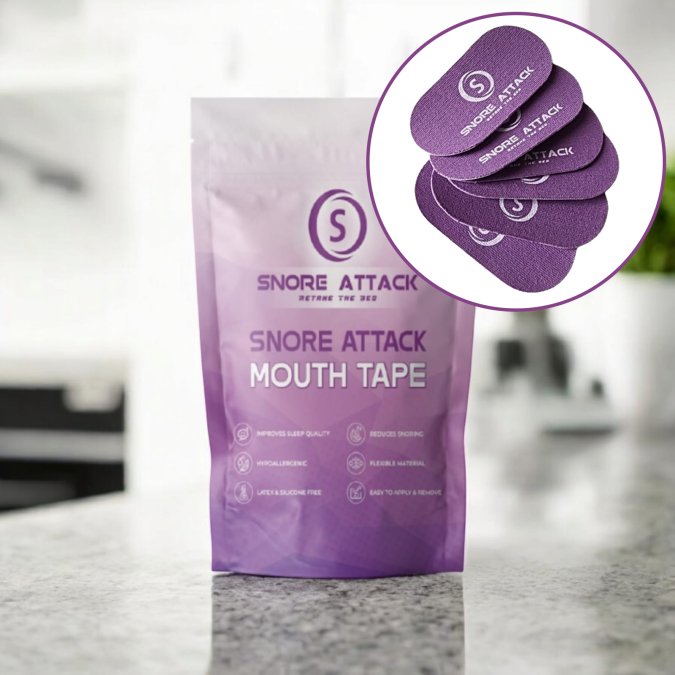
Mouth tape can complement these strategies by encouraging nasal breathing, which naturally reduces night-time clenching. When you breathe through your nose, your jaw stays more relaxed during sleep.
Jaw Pain Exercises for Relief and Prevention
The right exercises strengthen and relax your jaw, reducing pain and preventing future problems. These moves take just five minutes daily.
Gentle movement is key. Your jaw is a delicate joint, aggressive stretching makes things worse. Instead, use slow, controlled motions that feel comfortable.
Gentle Stretching Techniques
Chin tucks are foundational. Sit upright. Gently pull your chin straight back, creating a double chin. Hold for three seconds. Release. Repeat ten times. This exercise activates stabilising muscles and improves posture.
Jaw opening stretches work next. Open your mouth slowly until you feel mild tension, not pain. Hold for five seconds. Close gently. Repeat eight times. This teaches your jaw to move smoothly.
Side-to-side stretches help too. Place your tongue on the roof of your mouth. Slowly move your lower jaw left, then right. Move only as far as feels comfortable. Do this ten times each direction.
Forward stretches complete the routine. With your tongue on the roof of your mouth, slowly slide your lower jaw forward. Hold for five seconds. Return to centre. Repeat eight times.
Strengthening and Relaxation Moves
Strengthening prevents future pain. Resistance exercises build jaw stability. Place your thumb under your chin. Push down gently with your thumb whilst resisting with your jaw muscles. Hold for five seconds. Repeat ten times.
Neck stretches matter because your neck and jaw work together. Tilt your head slowly toward your right shoulder. Hold for 20 seconds. Return to centre. Repeat on the left side. Do this twice on each side.
Progressive relaxation ends your routine. Tense all your facial muscles for five seconds, clench everything. Then release completely. Notice the difference. Repeat three times. This teaches your nervous system what true relaxation feels like.
Do these exercises twice daily: once in the morning and once before bed. Consistency matters more than intensity. Most people notice improvement within two weeks.
Managing Mouthguard Jaw Pain
Using a mouthguard for sleep protection is wise, but an ill-fitting guard causes the very jaw pain you're trying to prevent.
Common problems include guards that are too tight, positioned incorrectly, or made from rigid materials. These create pressure points that strain your jaw joint overnight.
To prevent jaw pain from your mouthguard:
- Ensure proper fit. Your guard should feel snug but not tight. You should be able to move your lower jaw slightly. If it restricts movement, have it adjusted.
- Start gradually. Wear your guard for just two hours initially. Increase duration slowly over a week. Your jaw adapts better this way.
- Clean it properly. A dirty guard harbours bacteria and can irritate your gums and jaw. Use cleaning tablets designed for oral appliances, they're convenient and thorough.
- Store it correctly. Keep your guard in a ventilated case. Never leave it in direct sunlight or near heat, which warps the material.
- Replace when worn. Guards wear down over time. A thin, flattened guard no longer protects properly and may cause discomfort. Replace yours annually.
If your guard continues causing pain after these adjustments, consult a dental professional. Sometimes a custom-fitted guard works better than a standard one.
Soft Foods for Jaw Pain Recovery
When your jaw hurts, what you eat matters enormously. Hard or chewy foods force your jaw to work harder, prolonging pain.
Shop our range of anti-snoring products →
Soft foods give your jaw a break whilst you heal. They require minimal chewing, reducing strain on the joint.
Best options include:
- Smoothies and soups. These require no chewing. Blend vegetables, fruit, and protein powder for nutrition without effort.
- Yoghurt and soft cheese. Protein-rich and easy to eat. Cottage cheese works particularly well.
- Cooked vegetables. Steamed broccoli, soft carrots, and mashed sweet potato are gentle choices.
- Scrambled eggs. Soft, protein-packed, and satisfying.
- Porridge. Warm, soothing, and nutritious.
- Mashed potatoes. Filling and easy on your jaw.
- Soft fish. Salmon and cod flake easily without requiring tough chewing.
- Nut butters. Spread on soft bread or eat with a spoon.
Avoid hard nuts, crunchy cereals, chewy sweets, tough meat, and hard bread. These aggravate jaw pain and slow recovery.
Eat smaller meals more frequently. Your jaw tires less when handling smaller portions. Chew on both sides of your mouth equally to avoid favouring one side, which creates imbalance.
Daily Habits to Prevent Jaw Pain
Prevention is easier than treatment. Small daily habits compound into lasting protection.
Posture is foundational. Sit and stand upright. Your ears should align with your shoulders. Slouching pulls your jaw forward, creating tension. If you work at a desk, position your screen at eye level. Your neck should stay neutral, not bent forward or back.
Stay hydrated. Dehydration tightens muscles throughout your body, including your jaw. Drink water consistently throughout the day.
Manage stress actively. Stress drives clenching. Find what works for you: meditation, exercise, time in nature, or talking with friends. Even ten minutes daily helps.
Avoid excessive gum chewing. Gum forces your jaw to work repetitively. If you chew gum, limit it to five minutes daily.
Sleep well. Poor sleep increases night-time clenching. Aim for seven to nine hours. Keep your bedroom cool and dark. Avoid screens 30 minutes before bed.
Breathe through your nose. Mouth breathing strains your jaw and disrupts sleep quality. Nasal breathing is calmer and more efficient. If you struggle with nasal breathing, magnetic nasal dilators gently open your airways, encouraging proper breathing patterns.
Limit caffeine and alcohol. Both increase muscle tension and can worsen clenching. Reduce intake, especially in the evening.
Warm up before intense exercise. If you grind your teeth during workouts, do gentle jaw stretches first.
When to Seek Professional Help
Most jaw pain improves with prevention and self-care. But some situations require professional assessment.
See a dentist or doctor if:
- Pain persists beyond two weeks despite prevention efforts
- Your jaw clicks, pops, or locks
- You cannot open your mouth fully
- Pain radiates to your ear, neck, or head
- Your bite feels misaligned
- You experience swelling or bruising
These symptoms suggest temporomandibular joint disorder or another condition needing professional diagnosis. Early intervention prevents complications.
A healthcare provider can assess your specific situation, recommend targeted treatment, and rule out underlying issues. They might suggest physiotherapy, a custom mouthguard, or other interventions suited to your condition.
Jaw pain doesn't have to be permanent. Most cases respond well to consistent prevention and gentle self-care. Start with the habits outlined here, improved posture, stress management, proper sleep position, and targeted exercises.
If you're struggling with night-time clenching or mouth breathing, Snore Attack's products support better sleep quality and reduced jaw tension. Shop our range today and take the first step toward pain-free sleep.
Frequently Asked Questions
What are the main causes of jaw pain and how can I prevent jaw pain before it starts?
Jaw pain commonly stems from teeth clenching, poor posture, stress, and misaligned dental appliances. To prevent jaw pain, practise stress-reduction techniques, maintain good posture throughout the day, avoid chewing hard foods, and ensure any mouthguard or anti-snoring device fits correctly. If you use a dental appliance, have it checked regularly by your dentist to confirm proper alignment and fit.
Can jaw pain exercises actually help, and how often should I do them?
Yes, gentle jaw exercises can significantly reduce tension and prevent pain by improving flexibility and reducing muscle strain. Perform simple stretches and relaxation exercises daily, ideally twice a day, for 5-10 minutes each session. Start slowly and stop immediately if any exercise causes discomfort. Consistency matters more than intensity; regular, gentle practice yields better results than occasional intense sessions.
Will a mouthguard or anti-snoring device cause jaw pain, and what can I do about it?
Some users experience initial discomfort when adjusting to a new mouthguard or appliance, but persistent jaw pain may indicate poor fit or alignment. Ensure your device is properly fitted by a dental professional. Start with shorter wearing periods and gradually increase duration as your jaw adapts. If pain continues after two weeks, contact your dentist to check for adjustment needs or consider alternative appliance designs.
What soft foods should I eat if my jaw is sore, and how long should I stick to them?
Choose soft, easy-to-chew foods like yoghurt, soup, mashed potatoes, scrambled eggs, smoothies, and well-cooked vegetables. Avoid hard, crunchy, or chewy foods that require excessive jaw movement. Most mild jaw soreness improves within a few days to a week with rest and proper nutrition. If pain persists beyond two weeks or worsens despite dietary adjustments, seek professional advice to rule out underlying issues.