

Table of Contents
- What Makes the Best Sleep Aids for Snoring
- Quick Comparison Table
- Snore Attack Magnetic Nasal Clips - Starter Pack
- Snore Attack Mouth Tape for Snoring
- Snore Attack Shield: Anti-Snoring Mouthpieces and Tongue Positioning
- Natural Remedies for Snoring and Lifestyle Changes
- How to Choose the Right Sleep Aid for Your Snoring
- Frequently Asked Questions
Last Updated: October 16, 2026
What Makes the Best Sleep Aids for Snoring
Snoring disrupts not just your sleep, but your partner's as well. Finding the right sleep aid means understanding what actually works versus what's just marketing hype. At Snore Attack, we offer a range of specialised anti-snoring solutions designed to help you achieve a better night's sleep.

The challenge most people face is that snoring has multiple causes. Some people snore because their mouth falls open during sleep. Others have nasal congestion that forces them to breathe through their mouth. Still others experience airway collapse due to muscle relaxation. This means a one-size-fits-all solution rarely works.
What separates effective sleep aids from ineffective ones comes down to addressing the actual mechanism causing your snoring. Nasal dilators work if your problem is nasal airflow restriction. Mouth tape works if you're a mouth breather. Tongue positioning devices work if your airway collapses from poor tongue posture. The best sleep aids for snoring target your specific issue rather than hoping for a general fix.
This guide covers the sleep aids that actually make a difference, how they work, and which ones suit different types of snoring. We'll also look at lifestyle changes that amplify the effectiveness of any physical aid you choose.
Quick Comparison Table
| Product | Type | Price | Best For | Key Benefit |
|---|---|---|---|---|
| Snore Attack Magnetic Nasal Clips - Starter Pack | Nasal dilator | $59.99 | Nasal airway restriction | Four sizes for custom fit |
| Snore Attack Mouth Tape | Mouth tape | $18.99 | Mouth breathing | Hypoallergenic, gentle removal |
| Snore Attack Shield | Tongue positioner | $12.00 | Airway collapse, mouth breathers | Works with existing devices |
| Snore Attack Magnetic Nasal Strips - Refill Pack | Nasal strips | $32.99 | Ongoing nasal support | 30 nights of adhesive strips |
Snore Attack Magnetic Nasal Clips - Starter Pack
The Snore Attack Magnetic Nasal Clips - Starter Pack addresses one of the most common causes of snoring: restricted nasal airflow. If you find yourself breathing through your mouth at night, the problem often starts with your nose not delivering enough air.


These magnetic clips use a simple principle. They gently support the sides of your nose to keep your nasal passages open during sleep. The starter pack includes four different clip sizes, so you can find the fit that works for your nose shape. This matters because a clip that's too loose won't hold position, and one that's too tight becomes uncomfortable within minutes.
What works: The magnetic system is designed to support the sides of your nose for a more open, comfortable airflow. The clips are easy to apply and secure once on, and the storage case keeps everything organised. At $59.99 for the starter pack, you get multiple sizes plus 15 adhesive strips to get you started.
What doesn't: If your snoring is caused by tongue collapse rather than nasal restriction, nasal clips alone won't solve it. Some people find the sensation of clips in their nostrils takes a few nights to adjust to. If you have a pacemaker or other magnetic implant, you'll need to avoid these entirely.
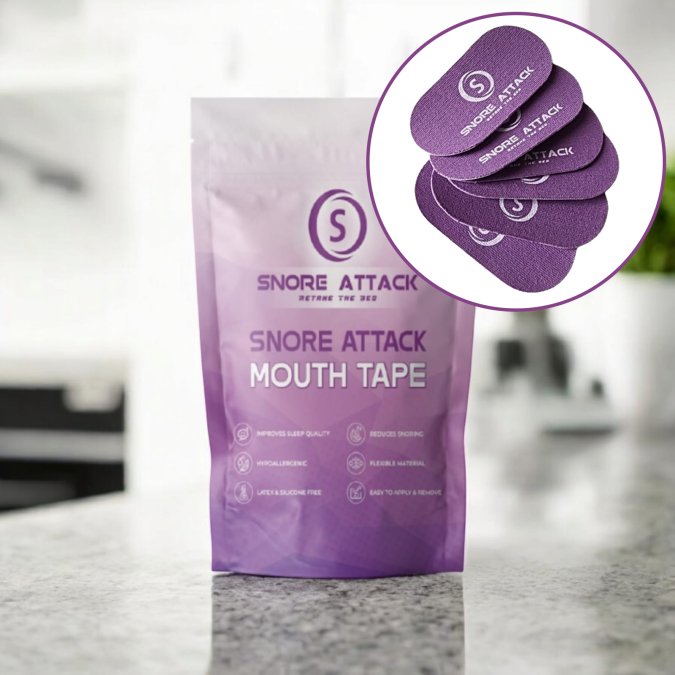
Snore Attack Mouth Tape for Snoring
Mouth breathing during sleep is one of the easiest snoring causes to address directly. When your mouth falls open, your soft palate vibrates as air passes through. Tape your mouth gently closed, and you force air through your nose instead, where it doesn't cause vibration.
The Snore Attack Mouth Tape is specifically designed for this. It's hypoallergenic, which matters because your face is sensitive skin. Many people worry about irritation or difficulty removing tape, especially if they have facial hair. This tape removes gently even with a beard or moustache, which eliminates one of the biggest objections people have to mouth taping.
Each pack contains 30 pieces. If you buy in bulk (3, 6, or 12 packs), the cost drops to $0.19 per piece on a 12-month subscription basis.
The real advantage of mouth tape is simplicity. You apply it before bed, sleep normally, and remove it in the morning. For many people, the results are noticeable because the mechanism is so direct: mouth closed equals less snoring.
Snore Attack recommends using the mouth tape alongside the Magnetic Nasal Clips or Shield for best results. This combination addresses both nasal airflow and mouth breathing simultaneously, which is why many users see dramatic improvements in snoring reduction.
Snore Attack Shield: Anti-Snoring Mouthpieces and Tongue Positioning
The Snore Attack Shield takes a different approach. Instead of preventing mouth breathing, it repositions your tongue to keep your airway open. This matters specifically for people whose snoring comes from airway collapse rather than mouth breathing.
When you sleep, your throat muscles relax. For some people, this relaxation causes the tongue to fall backward into the airway. This obstruction creates the vibration that produces snoring. The Shield positions your tongue against the roof of your mouth, which keeps it out of your airway and engages the muscles that naturally hold it there.
At $12.00, the Shield is the most affordable option in the range. It's designed to work alongside mouth tape and nasal clips, so you can layer these tools to address multiple causes simultaneously. If you're already using a CPAP machine or oral appliance for sleep apnoea, the Shield enhances that therapy by improving mouth posture. Consistent use of these combined methods creates a stable foundation for improving sleep quality, particularly when irregular schedules disrupt your natural circadian rhythm.
The Snore Attack Shield provides a ‘workout’ for the throat muscles, helping to correct years of ‘lazy’ tongue posture.
Important: The Shield isn't suitable if you have severe respiratory conditions or chronic nasal obstructions. Consult a healthcare professional before use if you have any medical conditions affecting your throat or nasal passages. Discontinue use if you experience persistent discomfort or worsening symptoms.
Natural Remedies for Snoring and Lifestyle Changes
Physical aids work better when you address the underlying conditions that make snoring worse. Many lifestyle factors directly influence snoring severity, and adjusting them can produce positive results.
Sleep position matters significantly. Sleeping on your back allows gravity to pull your tongue and soft palate backward into your airway. Sleeping on your side keeps these structures forward, reducing obstruction. Some people find that simply switching to side sleeping eliminates snoring entirely. If you struggle to stay on your side, body pillows or positional devices can help maintain side sleeping throughout the night.
Weight and muscle tone affect airway diameter. Excess weight, particularly around the neck, increases pressure on your airway. Strengthening your throat and tongue muscles through targeted exercises can tighten your airway and reduce collapse.
Shop our range of anti-snoring products →
Nasal congestion worsens snoring by forcing mouth breathing. If you have allergies, treating them reduces congestion. If you have a deviated septum or structural issue, that's a conversation for your doctor. But many cases of congestion respond to simple measures: elevating your head with an extra pillow, using saline rinse before bed, or addressing allergens in your bedroom.
Alcohol and sedatives relax your throat muscles excessively, making snoring worse. Avoiding alcohol several hours before bed often produces immediate improvement. Similarly, some medications cause throat relaxation as a side effect. If you suspect your medication is contributing, talk to your doctor about timing or alternatives.
Hydration matters too. Dehydration thickens the secretions in your throat, which increases vibration. Drinking adequate water throughout the day, but not right before bed, helps keep your airway clear.
An effective approach can combine physical aids with these lifestyle adjustments.
How to Choose the Right Sleep Aid for Your Snoring
Identifying what's actually causing your snoring makes choosing an aid straightforward. Ask yourself these questions:
Do you wake with a dry mouth? This suggests mouth breathing. Mouth tape or nasal clips are your first try.
Can you breathe easily through your nose right now? If yes, your snoring likely isn't nasal obstruction. If no, nasal clips are worth testing. If you're unsure, try breathing through your nose while lying down, that's closer to your sleep position.
Does your snoring start immediately when you fall asleep, or does it develop as the night progresses? Immediate snoring suggests structural issues (deviated septum, large tonsils). Progressive snoring as muscles relax more suggests airway collapse, where the Shield helps most.
Have you been diagnosed with sleep apnoea? If yes, talk to your doctor before trying devices. The Shield is specifically designed to complement medical treatment, but you need professional guidance on whether it's appropriate for your condition.
Does your partner report that you stop breathing during snoring episodes? This is a red flag for obstructive sleep apnea, which requires medical evaluation. Devices can help, but you need a doctor's assessment first.
For most people with simple snoring (not sleep apnoea), starting with whichever aid matches your most obvious symptom works well. If mouth breathing is your issue, start with mouth tape. If nasal restriction is the problem, start with nasal clips. If you're unsure, the combination approach, tape plus clips plus Shield, addresses all three mechanisms simultaneously.
Track your results for at least a week before deciding whether something works. One night of good sleep doesn't prove effectiveness; consistency matters.
The best sleep aids for snoring work because they address the specific mechanism causing your snoring rather than hoping for a general fix. Snore Attack's product range lets you target nasal airflow, mouth breathing, or tongue positioning, or combine them for comprehensive support. Start with the aid that matches your symptoms, give it a fair trial, and adjust from there. Most people find that the right combination of devices plus lifestyle adjustments delivers the sleep quality they've been missing.
Sleep Foundation's guide to snoring causes and treatments
Australian Sleep Health Society resources on sleep-disordered breathing
Mayo Clinic overview of snoring and obstructive sleep apnea
Frequently Asked Questions
What is the best sleep aid for snoring?
The best sleep aid depends on what causes your snoring. Nasal dilators work well if you breathe through your mouth or have nasal congestion. Mouth tape helps if you're a mouth breather, whilst anti-snoring mouthpieces like the Snore Attack Shield position your tongue to keep your airway open. Many people find combining products, such as nasal clips with mouth tape, delivers better results than using a single solution.
Do nasal dilators help reduce snoring?
Yes, nasal dilators can reduce snoring by opening your nasal passages and improving airflow through your nose. The Snore Attack Magnetic Nasal Clips use a magnetic system to gently support the sides of your nose, making breathing easier during sleep. They're particularly effective if congestion or narrow nasal passages contribute to your snoring. The starter pack includes four clip sizes so you can find the best fit for your nose.
Can mouth tape stop snoring?
Mouth tape encourages nasal breathing, which can significantly reduce snoring in mouth breathers. The Snore Attack Mouth Tape is hypoallergenic and gentle to remove, even with facial hair. Each pack contains 30 pieces at $0.19 per piece on a 12-month subscription. For best results, combine mouth tape with nasal dilators and the Snore Attack Shield to address multiple snoring causes at once.
Should I see a doctor about my snoring?
You should consult a healthcare professional if snoring is loud, frequent, or accompanied by gasping, choking, or witnessed breathing pauses during sleep, these can indicate sleep apnoea. If you have obstructive sleep apnoea diagnosed by your doctor, discuss any new products with them before use. The Snore Attack Shield is designed to complement CPAP and oral appliance therapy, but always check with your healthcare provider first.
How long does it take to notice a difference with sleep aids for snoring?
Proper fit is crucial, the Snore Attack Magnetic Nasal Clips come with four sizes and fitting instructions to ensure you're using the right fit. If you don't see improvement after two weeks of correct use, try combining products or consult a healthcare professional to rule out underlying conditions.