

Table of Contents
- Rhinomed vs Nose Wings: Key Differences at a Glance
- Internal vs External Nasal Dilators: Which Design Works Better
- Nasal Dilators for Snoring: Do They Actually Help
- How to Use Nasal Dilators Correctly for Best Results
- Nasal Dilator Cleaning and Reuse: Maintenance Matters
- Cost, Comfort, and Practical Considerations
- Making Your Choice: Which Nasal Dilator Suits You
- Frequently Asked Questions
Last Updated: 17 October 2026
Rhinomed vs Nose Wings: Key Differences at a Glance
When you're losing sleep to snoring, a nasal dilators comparison between brands matters. Both Rhinomed and Nose Wings are established names in the space, but they operate on fundamentally different principles. Understanding how they differ, and where they overlap, will save you money and sleepless nights.
Rhinomed uses internal nasal dilators: small devices inserted inside the nostrils to support the nasal passages from within. Nose Wings, by contrast, applies external magnetic strips to the bridge and sides of your nose. This isn't a minor distinction. The design affects comfort, durability, ease of use, and how well they work for different nose shapes and breathing patterns.
At Snore Attack, we've watched customers try both approaches. The real question isn't which brand is "better", it's which design matches your specific needs. Some people find internal dilators uncomfortable; others swear by them. External options feel more natural to some users but require daily reapplication. This nasal dilators comparison table below shows the key differences:
| Feature | Rhinomed | Nose Wings | Snore Attack Magnetic Nasal Clips |
|---|---|---|---|
| Design Type | Internal (inserted) | External (adhesive strips) | External (magnetic) |
| Reusable | Yes (multiple uses) | No (single-use strips) | Yes (magnetic strips replaceable) |
| Comfort Level | Varies by fit | Minimal sensation | Secure, non-invasive |
| Application Time | 1-2 minutes | 30 seconds | Under 1 minute |
| Nightly Cost | Low (reusable) | Higher (disposable) | Low (refillable strips) |
| Durability | Weeks to months | One night only | Weeks to months |
Internal vs External Nasal Dilators: Which Design Works Better
The fundamental split between internal and external nasal dilators shapes everything about how they perform. Internal dilators like Rhinomed sit inside your nostrils and push outward gently to open the nasal passages. External options like Nose Wings pull from the outside, using adhesive strips or magnetic force to lift the nasal sidewalls.

Neither approach is inherently superior, they solve the problem differently. Internal dilators work well if your airway collapse happens deep inside the nose, where external devices can't reach. But some people find them intrusive or experience irritation after extended wear. External devices avoid the insertion entirely, which appeals to anyone uncomfortable with something in their nose. The trade-off is that they may not address blockages further back in the nasal passage.
Comfort varies dramatically between individuals. A person with a deviated septum might find Rhinomed's internal design problematic, while someone with weak nasal sidewalls might benefit from external support. The shape and size of your nostrils also matter. Rhinomed offers multiple sizes to find your fit; Nose Wings strips are one-size, which works for most but not all users.
Reusability is another practical difference. Rhinomed's internal dilators can be worn repeatedly, typically lasting weeks before needing replacement. Nose Wings strips are single-use: you apply them at night and discard them in the morning. This means ongoing costs with Nose Wings, whereas Rhinomed's upfront cost is higher but spreads across many nights.
Nasal Dilators for Snoring: Do They Actually Help
This is the question that matters most. If nasal dilators don't reduce snoring, nothing else about them matters. The honest answer: they help some people significantly, help others a little, and don't help everyone.
Snoring happens when soft tissues in your throat vibrate as air passes through. If your snoring stems primarily from nasal obstruction, a blocked or narrow nose forcing you to mouth-breathe, then opening your nasal passages can make a real difference. Nasal dilators work by preventing the nasal sidewalls from collapsing inward when you inhale, keeping airflow open and steady.
The catch is that not all snoring is nasal. If your snoring comes from throat tissue collapse (common in obstructive sleep apnoea), nasal dilators alone won't solve it. They're most effective for snoring caused by nasal obstruction specifically.
A common mistake is expecting immediate results. Most users notice changes within 3-7 nights as their body adjusts to breathing through the nose. Some see improvement immediately; others take 1-2 weeks. If you've tried dilators for only a few nights and noticed nothing, you're not giving them a fair test.
Internal dilators like Rhinomed tend to work more aggressively because they're positioned deep in the nasal passage. External options like Nose Wings are gentler but may be less effective for severe obstruction. For mild to moderate nasal blockage, both can help. For severe obstruction, an internal design typically performs better.
How to Use Nasal Dilators Correctly for Best Results
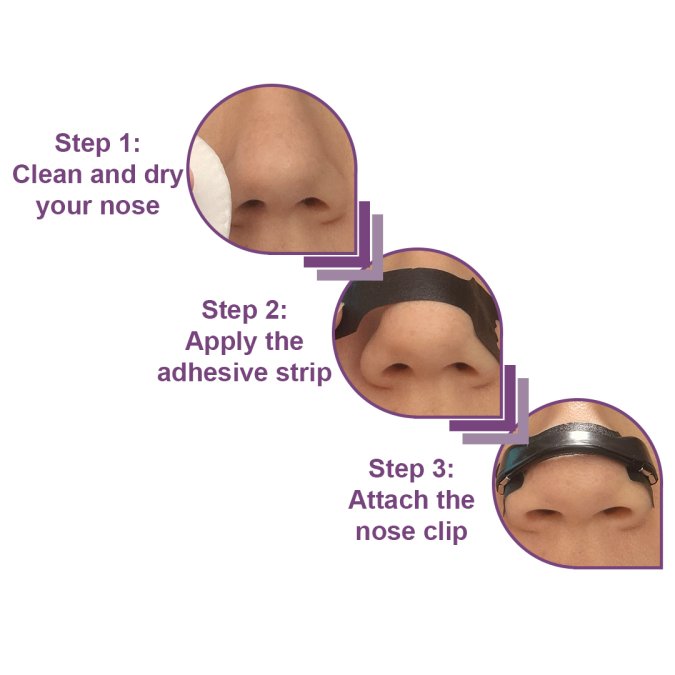
Incorrect application is one reason people abandon nasal dilators. They work only if positioned correctly. The process is straightforward, but small details make the difference between success and frustration.
For internal dilators like Rhinomed: clean and dry your nostrils first. Insert the dilator gently into one nostril, then the other. You should feel a gentle outward pressure but no pain. If it feels uncomfortable, you've either chosen the wrong size or inserted it too far.
For external dilators like Nose Wings: clean the bridge of your nose and let it dry completely. Apply the adhesive strip horizontally across the bridge, then press down firmly on both sides. The strip should sit flat with no wrinkles or gaps.
Snore Attack's magnetic nasal clips use a slightly different approach. Apply the magnetic adhesive strips to your nose, then attach the clips. The clips sit on the bridge and sides of your nose, held by magnetic force.
Common mistakes to avoid: applying dilators to wet skin (they won't adhere properly), inserting internal dilators too far, leaving external strips on past morning (they lose effectiveness and can irritate skin), and using the wrong size for your nose shape.
Nasal Dilator Cleaning and Reuse: Maintenance Matters
This is where reusable dilators show their advantage over single-use strips. Rhinomed dilators and Snore Attack's magnetic clips both require cleaning to maintain hygiene and effectiveness. Nose Wings strips are disposable, so cleaning isn't relevant, but the waste and cost add up over time.
For Rhinomed internal dilators: rinse with warm water each morning and allow to air dry completely before storing. Some users prefer a gentle wipe with a soft cloth. Don't use harsh soaps or chemicals, which can degrade the material. Store in a clean, dry container, Rhinomed typically includes one.
Snore Attack's magnetic nasal clips follow a similar routine. Rinse with warm water and dry thoroughly. The magnetic clips themselves are durable and can last months. You replace only the adhesive strips, which cost less than replacing the entire system. This approach reduces waste and long-term expense.
Shop our range of anti-snoring products →
The adhesive strips used on external dilators (whether Nose Wings or Snore Attack's system) cannot be cleaned and reused, they're designed for single application. However, Snore Attack's refill packs offer a cost-effective way to maintain your clips without repurchasing the entire system.

Hygiene matters more than many people realise. Nasal dilators sit on or inside sensitive tissue. Bacteria and fungi can build up if you don't clean them regularly. A quick rinse each morning is all it takes, but skipping this step invites irritation and infection risk.
Cost, Comfort, and Practical Considerations
Price is often the deciding factor, but it's also where people make false economies. A cheaper option that you abandon after a week costs more than a slightly pricier option you use consistently.
Rhinomed's internal dilators typically cost more upfront, but last weeks to months. The per-night cost works out to pennies once you divide the purchase price across weeks of use.
Nose Wings strips are cheaper per unit but add up quickly. At roughly $1-2 per strip and one strip per night, a month costs $30-60. Over a year, that's $360-720, significantly more than a reusable system.
Snore Attack's Magnetic Nasal Clips Starter Pack costs $59.99 and includes multiple clip sizes, 15 adhesive strips, and a storage case. The refill pack of 30 strips costs $32.99. This pricing structure favours long-term use: your initial investment covers weeks of use, and refills extend that further.
Comfort is subjective but critical. If a dilator feels uncomfortable, you won't wear it consistently, and inconsistent use produces no results. Internal dilators require getting used to; many people find them uncomfortable at first but adapt within 3-5 nights. External options feel more natural immediately but may feel less secure.
Travel-friendliness matters if you move between locations. Internal dilators are compact and easy to pack. External strips take minimal space. Magnetic clips are similarly portable.
Making Your Choice: Which Nasal Dilator Suits You
Start by identifying your primary problem. Is your snoring caused by nasal obstruction, throat tissue collapse, or both? If you're uncertain, try a nasal dilator first, they're non-invasive and reversible. If they help, you've found part of your solution. If they don't, you know the problem lies elsewhere.
Consider your comfort tolerance. Some people adapt quickly to internal dilators; others never do. If you've previously tried nasal strips or dilators and found them uncomfortable, external magnetic options might suit you better.
Evaluate your commitment level honestly. Are you willing to apply a dilator every single night? Nasal dilators work only with consistent use. If you're inconsistent, results will be inconsistent.
Think about cost over time. Calculate your likely annual expense for each option based on your specific situation. Include replacement costs. For most people using dilators consistently, a reusable system costs substantially less than disposable strips over 12 months.
According to guidance on sleep-related breathing disorders, nasal obstruction affects sleep quality in millions of people. If nasal dilators address your specific issue, they're worth trying.
The comparison isn't Rhinomed vs Nose Wings vs Snore Attack as absolute winners or losers. It's about matching the right tool to your specific situation. Rhinomed's internal design works aggressively for severe obstruction. Nose Wings' external strips offer simplicity and minimal adjustment period.
Frequently Asked Questions
What is the main difference between Rhinomed and Nose Wings nasal dilators?
Rhinomed uses internal nasal dilators that sit inside the nostrils, whilst Nose Wings operates as an external strip applied to the bridge of the nose. Internal dilators offer more direct airway support but require precise fitting, whereas external options provide gentler pressure and suit sensitive skin better. Both aim to improve breathing and reduce snoring, but the mechanism and comfort profile differ significantly based on design.
Do nasal dilators for snoring actually work, or should I rely on medical treatment instead?
Nasal dilators can reduce snoring by improving airflow through the nose, making them useful for mild to moderate cases and mouth breathers. However, they work best as a supportive tool alongside other strategies. If you have been diagnosed with obstructive sleep apnoea, consult your doctor before relying solely on dilators, medical treatment may be necessary. Many people find dilators effective for comfort and convenience, especially when combined with other lifestyle approaches.
How do I know if I should use internal or external nasal dilators?
Choose internal dilators if you prefer a discreet option that sits fully inside the nose and need strong, direct airway support. Select external dilators if you have sensitive skin, prefer easier application, or find internal options uncomfortable. Try both if possible, comfort and effectiveness vary by individual anatomy. External options tend to suit people new to nasal dilators, whilst internal designs appeal to those seeking a more secure fit and minimal visibility.
Can you really reuse nasal dilators, and how should I clean them?
Reusable nasal dilators can last weeks or months with proper care. Clean them daily with mild soap and warm water, then air dry completely before storage. For magnetic or adhesive-based dilators, check the manufacturer's guidance, some adhesive strips have limited reuse cycles. Snore Attack's refill packs offer replacement adhesive strips at $32.99 for 30 nights, making ongoing use affordable. Store in a clean, dry case to prevent contamination and extend product life.
Choosing the right nasal dilator depends on your breathing patterns, comfort preferences, and how consistently you'll use it. If you're ready to try a system that combines ease of application with genuine reusability and cost efficiency, Snore Attack's Magnetic Nasal Clips offer multiple sizes and replaceable strips, starting at $59.99 for the starter pack. Get started with Snore Attack and breathe easier tonight.