

Table of Contents
- Do Cleaning Tablets Damage Mouthguards? The Short Answer
- Ingredients in Mouthguard Cleaning Tablets That Can Cause Harm
- How to Clean a Mouthguard Without Causing Damage
- How Often to Clean a Mouthguard for Best Results
- Can You Soak a Mouthguard Overnight? What You Need to Know
- Choosing the Right Mouthguard Cleaning Tablets
- Signs Your Mouthguard Has Been Damaged by Cleaning
- Conclusion: Protecting Your Oral Appliance Investment
- Frequently Asked Questions
Last Updated: October 14, 2026
Do Cleaning Tablets Damage Mouthguards? The Short Answer
Do cleaning tablets damage mouthguards? Not if you use the right ones. The trouble starts with the wrong ingredients, hot water, or leaving a guard to soak for days on end. This guide from Snore Attack breaks down exactly what is safe, what is not, and how to keep your appliance in good shape.

Mouthguards and oral appliances are not cheap to replace. A custom night guard or mandibular advancement device can cost hundreds to replace, so a little care goes a long way. Cleaning tablets are one of the easiest ways to keep them fresh, but only when you know what is inside them. Protecting this investment remains essential for long-term oral health, especially when considering the custom mouthguard benefits that justify the initial expense for young athletes.
Below, we explain which ingredients cause harm, how to clean a mouthguard properly, and how often to do it.
Ingredients in Mouthguard Cleaning Tablets That Can Cause Harm
Most cleaning tablets rely on a simple active ingredient: sodium percarbonate. It fizzes in water and lifts away bacteria and odour. That reaction is gentle on dental plastics when you follow the directions.
Problems come from the extras. Some tablets add bleach, persulfates, or harsh abrasives to boost whitening power. Those additives can dull the surface of a guard, weaken the plastic over time, and leave a taste behind.
So the real question is not whether tablets work. It is what is in the tablet.
Sodium Percarbonate: Safe When Used Correctly
Sodium percarbonate is a compound of soda ash and hydrogen peroxide. When it hits warm water, it breaks down into oxygen and water. The oxygen bubbles loosen debris and kill bacteria.
It is safe for most mouthguards and oral appliances when you:
- Use warm water, not hot
- Follow the soak time on the pack
- Rinse the appliance well before wearing it again
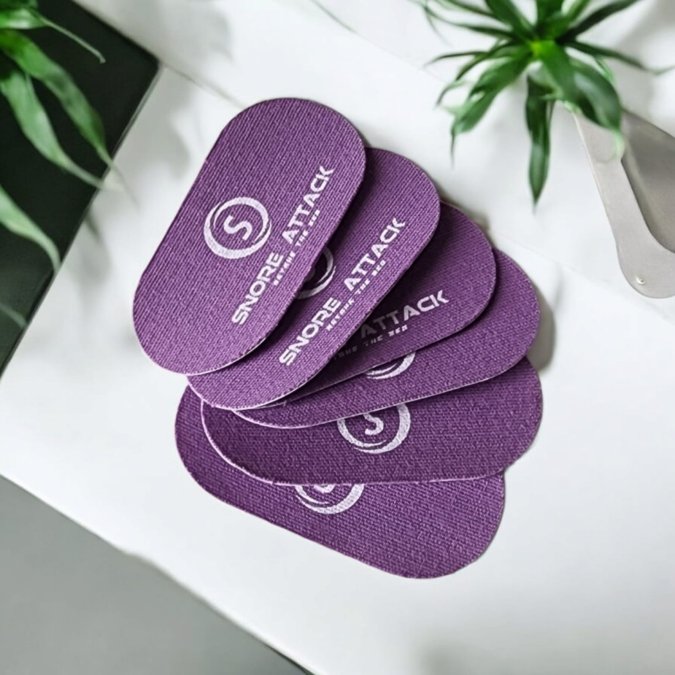
Our own Snore Attack Cleaning Tablets use a sodium percarbonate formula.
Ingredients to Avoid: Bleach, Persulfates and Abrasives
Some tablets borrow chemistry from denture whiteners, which is a different job. Watch for these three:
- Bleach. It can discolour the plastic and leave a chemical taste.
- Persulfates. Common in dental whitening, but they can irritate gums and soft tissue.
- Abrasives. Gritty particles scratch the surface, and scratches trap bacteria.
If a label lists any of these, keep it away from your guard.
How to Clean a Mouthguard Without Causing Damage
The safest routine takes two minutes and a glass of warm water. Rinse first, soak second, rinse again. That is the whole method.
Here is the step-by-step version we recommend:
- Rinse the appliance under warm water to remove saliva.
- Drop in a cleaning tablet, or use more than one for a deep clean.
- Add warm water and fully submerge the guard.
- Soak during the day, not overnight.
- Rinse thoroughly before you wear it again.
A common mistake is using boiling water to "kill more germs". Heat warps the plastic, and a warped guard no longer fits. Warm water does the job just as well.
How Often to Clean a Mouthguard for Best Results
A quick rinse should happen every morning. A full tablet soak works best once a day or every second day, depending on how much you wear the guard.
If you wear your appliance every night, daily cleaning keeps bacteria from building up. If you only wear it a few nights a week, a soak after each use is enough.
Signs you should clean more often:
- A stale or sour taste in the morning
- Visible film or cloudiness on the plastic
- Bad breath that lingers after brushing
Consistency matters more than intensity. A short daily soak beats a long weekly one.
Shop our range of anti-snoring products →
Can You Soak a Mouthguard Overnight? What You Need to Know
Overnight soaking is where most damage happens. Leaving a guard in solution for eight hours or more gives the ingredients time to work on the plastic, not just the bacteria.
Long soaks can:
- Dull the surface and cloud clear plastic
- Weaken flexible parts over months of use
- Let the solution dry onto the guard and leave a taste
The fix is simple. Soak during the day, when the guard is out of your mouth anyway. Fifteen to thirty minutes is plenty for a standard clean.
If you want a deeper clean, use more tablets rather than more time. That is exactly how our tablets are designed to work.
Choosing the Right Mouthguard Cleaning Tablets
Look for a short ingredient list built around sodium percarbonate. Skip anything with bleach, persulfates, or grit.
A few things to check before you buy:
- Ingredients. Sodium percarbonate first, no harsh extras.
- Format. Tablets give you cleaner dosing and less mess than powder.
- Directions. Clear soak times and water temperature guidance.
- Purpose. Made for oral appliances, not dentures or kitchen surfaces.
Our Snore Attack Cleaning Tablets come in a bigger pack for better savings, at $14.00. One tablet is suitable for light daily cleaning, and three tablets give a deep clean. Same formula as our original powder, now in tablet form.
Signs Your Mouthguard Has Been Damaged by Cleaning
Damage rarely happens overnight. It builds up quietly. Catch these signs early and you can often save the guard.
Watch for:
- Cloudy or dull patches on clear plastic
- A chemical or bitter taste that will not rinse away
- Cracks, especially near the edges or hinges
- A looser fit than when you bought it
- Warping after exposure to heat
If you spot cracks or a changed fit, stop using the guard and speak to your dentist. A damaged appliance will not do its job.
Conclusion: Protecting Your Oral Appliance Investment
A mouthguard or oral appliance is an investment in your sleep and your dental health. Cleaning tablets can protect that investment, as long as you pick the right formula and soak during the day rather than overnight.
At Snore Attack, we built our cleaning tablets around a sodium percarbonate formula made for oral appliances. They come in a bigger pack for better savings, with cleaner dosing and less mess.
Get started with Snore Attack and keep your appliance fresh, clean, and ready for every night.
Frequently Asked Questions
Can cleaning tablets damage a mouthguard?
Only if they contain the wrong ingredients. Tablets with sodium percarbonate, like Snore Attack Cleaning Tablets ($14.00), are safe when used as directed. Damage occurs when tablets contain bleach, persulfates or abrasive particles, or when you use hot water instead of warm. Always check the label and follow dosing instructions. Using more tablets than recommended or soaking for days rather than hours can also degrade the material over time.
Are denture cleaning tablets safe for mouthguards?
Not always. Many denture tablets contain persulfates, which can cause allergic reactions and may weaken certain plastics. Check the ingredient list before soaking your mouthguard. Sodium percarbonate-based tablets are the safer choice for oral appliances. If you are unsure, test a small section first or choose a product specifically designed for mouthguards and dental appliances.
How often should you use cleaning tablets on a mouthguard?
For daily maintenance, one tablet in warm water for 15 to 30 minutes is enough. For a deeper clean, use three tablets and soak during the day. Most people should use tablets daily for light cleaning and do a deep soak once or twice a week. If you wear your mouthguard every night, rinse it every morning and use tablets at least every other day to prevent bacteria build-up.
Can you leave a mouthguard soaking overnight?
You can, but it is not necessary and may shorten the appliance's lifespan. Most cleaning tablets work within 15 to 30 minutes. Leaving a mouthguard in solution for eight hours or more exposes it to moisture and chemicals for longer than needed. If you prefer overnight soaking, use a lower concentration or plain water after the initial clean. Always rinse thoroughly before wearing.