

Table of Contents
- Why Your Oral Appliance Needs a Proper Cleaning Kit
- What to Look For When You Buy Oral Appliance Cleaning Kits
- How to Clean an Anti-Snoring Mouthguard Step by Step
- Best Dental Appliance Cleaning Tablets: What Sets Them Apart
- Preventing Bacteria on Dental Devices: Daily Habits That Work
- Common Mistakes That Shorten Your Appliance's Life
- Frequently Asked Questions
Last Updated: September 30, 2026
Why Your Oral Appliance Needs a Proper Cleaning Kit
If you wear a mouthguard or oral appliance every night, you already know the morning ritual: rinse it, shake it dry, and hope for the best. That approach leaves behind a biofilm that builds up faster than most people realise. This guide from Snore Attack explains why a dedicated kit matters, what to look for when you buy an oral appliance cleaning kit, and how to get the most from every soak.

Oral appliance cleaning is the practice of removing saliva, plaque, and bacterial buildup from dental devices such as mouthguards, retainers, and mandibular advancement splints. It matters because these devices sit against soft tissue for hours at a time.
A quick rinse removes what you can see. It does not remove what you cannot. Saliva proteins bond to acrylic and silicone surfaces within hours, forming a film that traps bacteria against your gums and palate.
That film is why a proper kit beats a toothbrush alone. Below, we break down the three formats, the extras worth paying for, and the step-by-step routine that keeps a device fresh for years.
What to Look For When You Buy Oral Appliance Cleaning Kits
The right kit for your appliance comes down to three things: the cleaning format, the strength of the active ingredient, and how easily it fits into your routine. Get those right and maintenance becomes a 30-second habit rather than a chore.
Tablets vs Powders vs Liquids
Cleaning tablets are compressed discs of sodium percarbonate that fizz and release oxygen when dropped into warm water. They are the easiest format to dose, store, and travel with.
Powders offer the same chemistry in loose form, but measuring is messier and easy to get wrong. Liquids work quickly but tend to cost more per clean and take up more space in a washbag.
| Format | Best For | Main Drawback |
|---|---|---|
| Tablets | Travel, daily use, easy dosing | Need warm water to activate |
| Powders | Bulk value, adjustable strength | Messy to measure, clumps in humidity |
| Liquids | Quick soaks, sensitive devices | Higher cost per clean, bulky bottles |
If you previously used a powder and want the same cleaning strength, the fix is simple: use more than one tablet. The chemistry has not changed, only the delivery.
Storage and Travel Extras Worth Paying For
A waterproof case is the one accessory most people skip and later regret. It keeps your appliance submerged during a daytime soak and protects it from dust, pets, and bathroom counters when not in use.

Look for a case with a built-in mirror on the lid. It sounds minor. In practice, it means you can check your appliance for residue or cracks without hunting for a bathroom mirror at 6am.
How to Clean an Anti-Snoring Mouthguard Step by Step
Cleaning an anti-snoring mouthguard takes about two minutes of hands-on work plus a daytime soak. The routine below is the one we recommend to anyone using a mandibular advancement device or night guard.
- Rinse the appliance under warm water to remove loose saliva and debris.
- Fill a bowl with warm water. Never hot, as heat can warp acrylic.
- Add three tablets for a deep clean, or one tablet for light daily maintenance.
- Fully submerge the appliance and soak during the day, not overnight.
- Rinse thoroughly under running water before wearing it again.
- Air-dry on a clean surface or in a ventilated case.
Expected result: a device that smells neutral, feels smooth to the touch, and shows no cloudy film when held to the light.
If your appliance keeps slipping out of position or your jaw feels sore, that is a fit issue, not a cleaning one. Speak to the clinician who fitted it before changing anything else.
Best Dental Appliance Cleaning Tablets: What Sets Them Apart
The best dental appliance cleaning tablets share one trait: sodium percarbonate as the active ingredient. It breaks down into oxygen and soda ash in water, lifting residue without harsh abrasives that scratch acrylic.
What separates a good tablet from a poor one is dosing flexibility. A tablet you can double or triple up gives you control over cleaning strength. Fixed-dose sachets do not.
Shop the Snore Attack Magnetic Nasal Clips range →
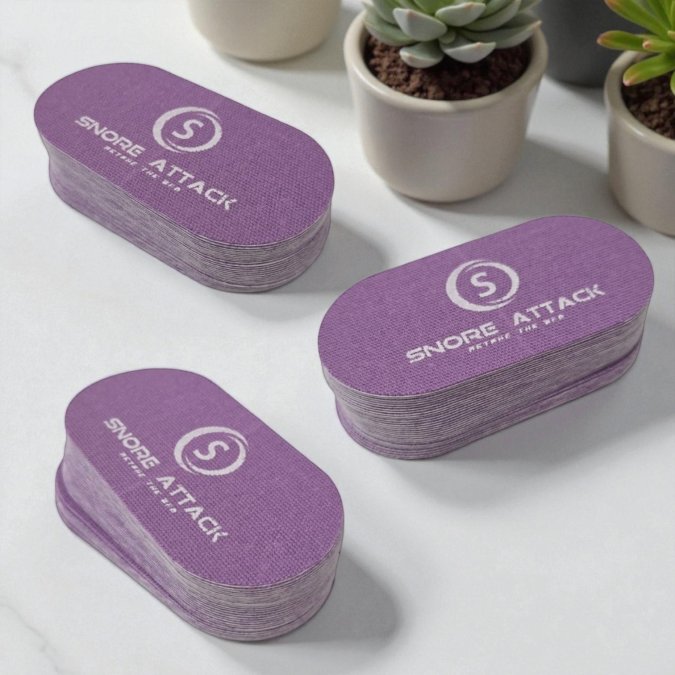
Snore Attack Cleaning Tablets follow this approach. One tablet suits light daily cleaning, while three tablets deliver a deep clean. The pack is also sized for value, so you are not repurchasing every fortnight. They cost $14.00, and the waterproof case that pairs with them is $14.99.
What most reviews miss is that tablet count matters more than brand name. A cheap tablet that needs four per soak costs more than a slightly dearer one that needs two.
Preventing Bacteria on Dental Devices: Daily Habits That Work
Preventing bacteria on dental devices comes down to consistency, not intensity. A short daily routine beats an occasional deep clean every time.
- Rinse your appliance every morning before it dries out.
- Soak during the day, not overnight, so it has time to dry before use.
- Never leave a wet appliance sealed in a closed case for hours.
- Wash your hands before handling the device.
- Replace your cleaning solution rather than topping it up.
- Brush the appliance gently with a soft brush weekly.
- Store tablets away from steam and direct sunlight.
The overnight soak habit is the one most people get wrong. Leaving a device in solution for eight hours does not clean it better. It just gives the water more time to sit against the material.
Common Mistakes That Shorten Your Appliance's Life
Most appliance failures trace back to heat, harsh chemicals, or careless handling. Avoid these and a well-made device can last considerably longer.
- Using hot water. Heat warps acrylic and distorts fit. Warm is the ceiling.
- Reaching for household bleach. It degrades the material and leaves residue you then wear against your gums.
- Scrubbing with a hard-bristled brush. Micro-scratches give bacteria somewhere to hide.
- Leaving the device on a windowsill to dry. Direct sun and heat do the same damage as hot water.
- Storing it loose in a bag. Cracks and chips start in transit, not in your mouth.
- Skipping the rinse after soaking. Tablet residue tastes unpleasant and irritates soft tissue.
A common mistake is treating the appliance like a toothbrush and replacing it on the same schedule. Dental devices are fitted to your mouth. Look after the material and it keeps its shape.
If you are unsure whether your device needs professional attention, your dentist or the clinician who fitted it is the right person to ask. Cleaning products maintain a device; they do not fix a poor fit.
Keeping an oral appliance clean is one of those jobs that feels small until it is not. Skip it and you are wearing a bacterial film against your gums every night. Get it right and the routine disappears into your morning in under a minute.
Snore Attack makes that routine simpler with cleaning tablets that let you dial in the strength you need, plus a compact waterproof case that doubles as a soaking container. Both are built for people who want their sleep therapy to work without extra fuss.
Shop the Snore Attack cleaning tablets and waterproof case to keep your appliance fresh, your routine short, and your sleep uninterrupted.
Frequently Asked Questions
Can I use regular toothpaste to clean my oral appliance?
No. Toothpaste is abrasive and can scratch the surface of your appliance, creating tiny grooves where bacteria collect. These scratches also dull the material over time. Instead, rinse your device after each use and soak it in a dedicated cleaning tablet solution. Snore Attack Cleaning Tablets use sodium percarbonate to lift residue without abrasion, and three tablets in warm water give a deep clean. Rinse thoroughly before wearing again.
How often should I clean my anti-snoring device?
Rinse your appliance every morning after removing it, and do a deeper soak at least three to four times a week. If you are prone to plaque build-up or wear the device through allergy season, soak daily. Snore Attack Cleaning Tablets are designed for this routine: one tablet for light daily cleaning, or three tablets for the same strength as the original powder formula. A regular schedule keeps odour and film from taking hold.
Are effervescent cleaning tablets safe for all oral appliances?
Most cleaning tablets are formulated for acrylics, thermoplastics and metal components found in oral appliances, but always check the label. Snore Attack Cleaning Tablets use the same sodium percarbonate formula as the original Aer Clean Powder, which is suitable for standard dental devices. Avoid hot water, which can warp the material. Warm water and full submersion during the day gives the best result without risking damage to your appliance.
Is it necessary to buy a specialised cleaning kit?
A dedicated kit saves time and protects your appliance. Household alternatives like vinegar or mouthwash can leave residue or degrade certain plastics. A kit built around cleaning tablets, plus a waterproof case for storage and travel, keeps your device hygienic between soaks. Snore Attack's cleaning tablets cost $14.00 per pack, and the waterproof case with a built-in mirror is $14.99, a small outlay compared with replacing a damaged appliance.