

Last Updated: September 28, 2026
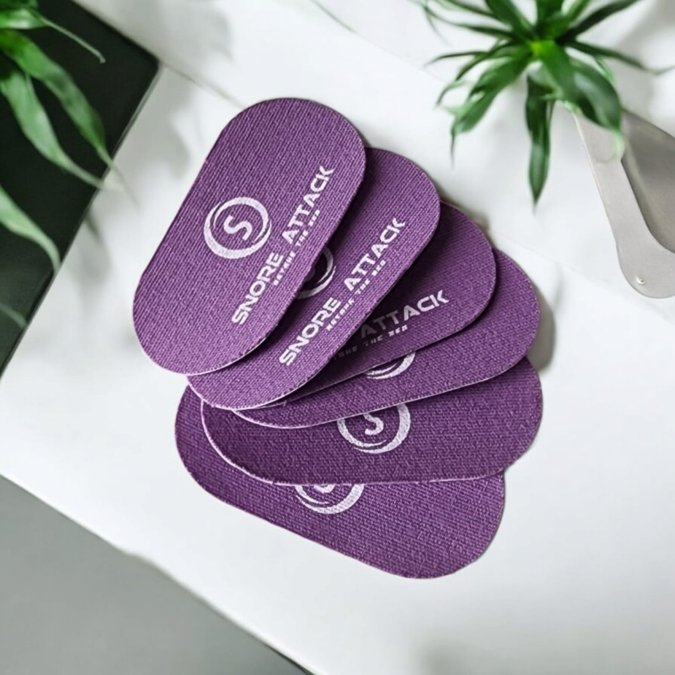
If you snore with your mouth open, mouth tape is one of the simplest things you can try. It gently keeps your lips closed so you breathe through your nose, which is how your body is designed to breathe during sleep. Snore Attack Mouth Tape is made for exactly that: a hypoallergenic strip that holds overnight and comes off gently in the morning, even if you have a beard or moustache.
Snore Attack Mouth Tape at a glance
- Hypoallergenic and gentle to remove, including over facial hair
- 30 strips per pack, sold in lots of 3, 6 or 12 packs (90, 180 or 360 nights)
- From $0.19 per strip on a 12-month subscription
- Designed to work alongside the Snore Attack Magnetic Nasal Clips and Snore Attack Shield
How mouth tape reduces snoring
When your mouth falls open during sleep, your jaw drops and your tongue moves back towards your throat. That narrows the airway, and the soft tissues at the back of the throat are more likely to vibrate as air rushes past. That vibration is snoring.
Keeping your lips closed encourages nasal breathing, helps keep the jaw and tongue in a more forward position, and reduces mouth-breathing snoring. Breathing through your nose also warms, filters and humidifies the air, so you are less likely to wake with a dry mouth and throat.
Mouth tape works best for people who snore because they breathe through their mouth. If your snoring comes mainly from the throat regardless of mouth position, tape on its own will help less.
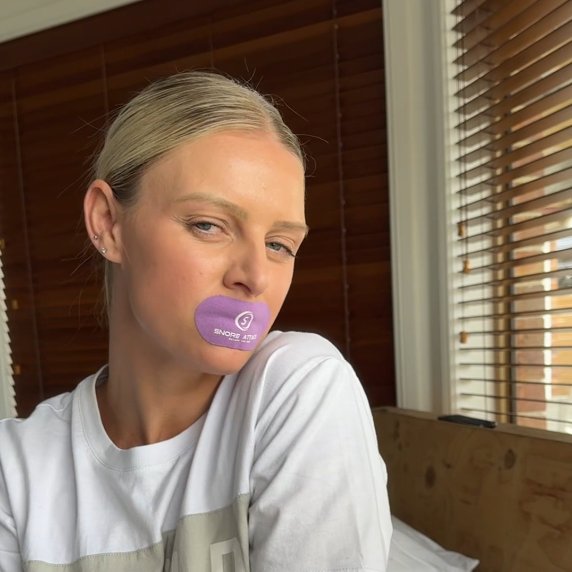
Before you start: check your nose
Mouth tape only works if you can breathe comfortably through your nose. Before your first night, close your mouth and breathe through your nose for a few minutes while relaxing. If that feels difficult, sort out the nose first. A blocked or narrow nose is where the Snore Attack Magnetic Nasal Clips help, by gently supporting the sides of the nose to open the airway.
How to apply mouth tape
- Make sure your lips and the skin around them are clean and completely dry. Lip balm, moisturiser or oil will stop the tape sticking, so apply these earlier in the evening or after removal instead.
- Close your lips gently in a relaxed position, without pursing them.
- Place the strip across the centre of your lips and press it down so it sits flat.
- Breathe through your nose for a minute to check you are comfortable before settling down to sleep.
The first few nights can feel unusual. Most people get used to it within a week. If you feel anxious, wear the tape for 20–30 minutes while reading or watching TV before bed to get used to the feeling.
In the morning, peel the tape off slowly from one corner. If it is stubborn, dampen it with warm water first. A lip balm afterwards keeps your lips comfortable with nightly use.
Better together: mouth tape, nasal clips and the Shield
Snoring usually has more than one cause, so the best results often come from combining products:
- Snore Attack Magnetic Nasal Clips keep your nose open, so nasal breathing is easy.
- Snore Attack Mouth Tape keeps your lips closed, so you keep breathing through your nose once you are asleep.
- The Snore Attack Shield encourages your tongue to rest against the roof of your mouth, supporting a closed-mouth posture.
Mouth tape can also be used with a mandibular advancement splint. Put the splint in first, then apply the tape.
Shop our range of anti-snoring products →
Why do I still wake up with a dry mouth?
The tape came off during the night. Check your lips were clean and dry before applying it.
Your nose was blocked, so you breathed around the tape. Address the congestion or try the nasal clips.
The air in your bedroom is very dry, particularly with heating in winter. A humidifier can help.
Mouth tape safety
Mouth tape is suitable for most adults who can breathe comfortably through their nose. Do not use it if:
- your nose is blocked, for example with a cold, hay fever or sinus problems
- you feel nauseous or might vomit, or have been drinking alcohol or taking sedatives
- you have broken skin, cold sores or irritation on or around your lips
- it is for a child
Never use household tapes such as duct tape or packing tape on your mouth. Use only a tape designed for skin.
When to see your doctor
Mouth tape is not a treatment for obstructive sleep apnoea. If your snoring comes with gasping, choking or pauses in breathing, or you feel tired during the day despite a full night in bed, talk to your GP about a sleep study before relying on mouth tape. If you already use CPAP or an oral appliance, check with your treating clinician before adding tape.
Frequently Asked Questions
Does mouth tape really help with snoring?
It helps when snoring is linked to mouth breathing. Keeping your lips closed encourages nasal breathing and a more stable jaw and tongue position, which can reduce snoring. Results vary depending on the cause, and it works best when your nose is clear.
Is it safe to use mouth tape every night?
For most adults who can breathe comfortably through their nose, yes. Use a tape designed for skin, apply it to clean, dry lips, and skip it on nights when your nose is blocked. Stop use if your lips become irritated.
Will it work if I have a beard or moustache?
Yes. Snore Attack Mouth Tape is designed to be gentle to remove, including over facial hair. Trimming the hair right around the lips helps it stick and makes removal more comfortable.
Can I use mouth tape with my oral appliance or CPAP?
Mouth tape can be used with a mandibular advancement splint: insert the splint first, then apply the tape. If you use CPAP, check with your sleep clinician first.
How quickly will I notice a difference?
Many people notice less snoring and a less dry mouth within the first week. If nothing has changed after two weeks of correct use, the cause of your snoring may not be mouth breathing, and it is worth seeing your GP.